
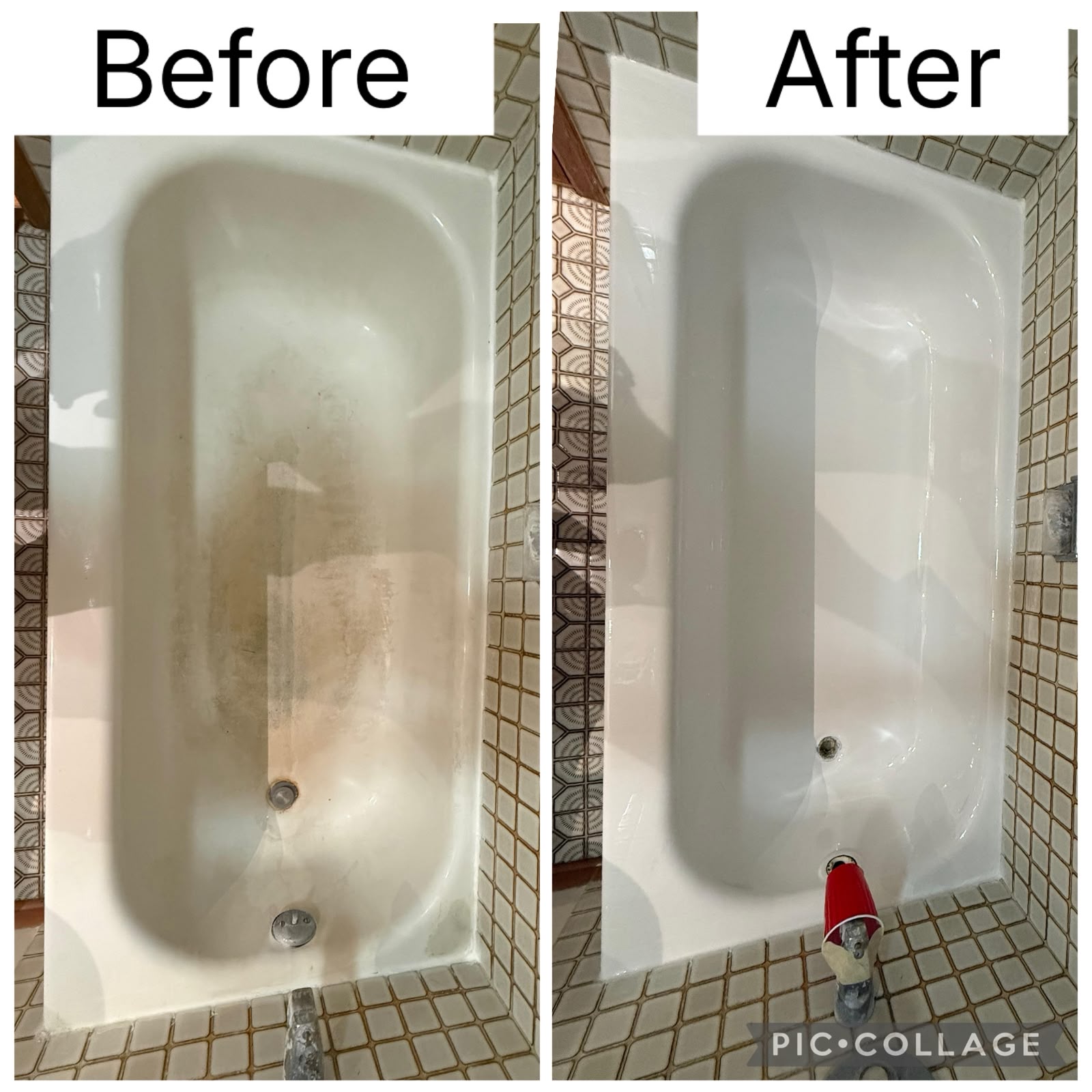
A refinished bathtub can completely transform an old bathroom without the cost, demolition, and disruption of a full tub replacement. But what happens when the new finish starts peeling, flaking, bubbling, or lifting?
If your refinished bathtub is peeling, you are not necessarily looking at a problem with the bathtub itself. In many cases, peeling is a sign that the coating has lost its bond with the surface underneath.
The good news is that a peeling bathtub can often be restored without replacing the entire fixture. The right solution depends on why the finish failed, how extensive the damage is, and what material the bathtub is made from.
Here are seven of the most common reasons a refinished bathtub starts peeling.
1. Poor Surface Preparation
One of the biggest causes of premature bathtub refinishing failure is inadequate surface preparation.
Before a new coating can be applied, the existing surface needs to be thoroughly cleaned, degreased, prepared, and properly conditioned for the refinishing system being used.
Bathtubs accumulate soap residue, body oils, hard-water deposits, cleaning-product residue, silicone, and other contaminants. If these substances remain on the surface, the new coating may not establish a reliable bond.
The result can be:
- Peeling around the edges
- Flaking on the tub floor
- Bubbling
- Lifting around the drain
- Large sections of coating separating from the bathtub
Professional refinishing is much more than applying a new layer of paint. The preparation stage is one of the most important parts of the entire process.
2. The Wrong Coating or Primer Was Used
Different bathtub materials require different preparation methods and coating systems.
A coating that works well on a properly prepared porcelain surface may not be appropriate for acrylic or fiberglass without additional preparation.
The refinisher also needs to select compatible primers, bonding products, and topcoats.
When incompatible materials are used, the coating may initially look excellent but gradually lose adhesion.
This is one reason why a professional assessment is particularly important when refinishing an acrylic or fiberglass bathtub.
3. Water Got Under the Coating
Water is obviously unavoidable in a bathtub, but standing water can become a problem when it finds a weak point in the finish.
A small chip, crack, damaged caulk joint, or poorly sealed edge can allow moisture to get underneath the coating.
Once moisture gets between the coating and the underlying surface, peeling can spread.
This is especially common around:
- The drain
- Faucet area
- Tub edges
- Caulk lines
- Corners
- Areas where the tub floor receives constant water exposure
If peeling is concentrated around one of these areas, it is important to determine whether moisture is entering beneath the finish.
4. Harsh or Abrasive Cleaning Products
A refinished bathtub should not be cleaned in the same way as an old, heavily worn porcelain surface.
Abrasive powders, aggressive scrubbing pads, strong chemicals, and unsuitable cleaners can gradually damage a refinished surface.
Even if the finish does not peel immediately, repeated chemical and mechanical stress can make the coating dull, scratched, or weakened.
For routine cleaning, use a mild, non-abrasive cleaner and a soft sponge or cloth.
Avoid aggressive scrubbing simply because a stain does not disappear immediately.
5. The Bathtub Was Used Too Soon
A refinished bathtub needs adequate time to cure before it is exposed to normal water use.
The exact curing time depends on the refinishing system, environmental conditions, and products used.
Using the bathtub before the recommended curing period can interfere with the finish while it is still developing its final properties.
For this reason, always follow the refinisher’s instructions regarding:
- When the bathtub can get wet
- When it can be cleaned
- When accessories can be installed
- When caulking can be exposed to water
Professional refinishing companies may recommend different waiting periods depending on their coating system. Do not assume that every refinished bathtub has the same cure time.
6. Suction-Cup Bath Mats Can Damage the Finish
Suction-cup bath mats are convenient, but they can be problematic for some refinished bathtub surfaces.
Repeated suction and release can place mechanical stress on the coating. Moisture can also become trapped underneath the mat.
Over time, this can contribute to finish deterioration or localized peeling.
If your bathtub has been professionally refinished, ask your refinisher what type of bath mat is appropriate for the particular coating.
A non-suction solution may be a better option.
7. The Previous Refinishing Job Was Already Failing
Sometimes the peeling finish you see today is actually the result of an older refinishing job.
If someone previously resurfaced the bathtub and the coating was not properly prepared, the new finish may eventually fail.
In these situations, simply applying another coat over the peeling areas is usually not the best long-term approach.
The damaged coating needs to be assessed and, where appropriate, removed or properly prepared before a new refinishing system is applied.
The Washington Post notes that successful refinishing is heavily dependent on preparation and that many tubs can be refinished again when the previous finish is properly addressed first.
How Do You Know If Your Bathtub Needs to Be Refinished?
Look for these warning signs:
- Large areas of peeling
- Flaking around the drain
- Bubbling or blistering
- Multiple chips
- A dull or worn surface
- Deep scratches
- Discoloration that cannot be cleaned
- Exposed material underneath the coating
A small isolated chip may sometimes be repaired without refinishing the entire bathtub.
But widespread peeling usually means the finish has failed and needs professional attention.
Can You Fix a Peeling Bathtub With a DIY Kit?
DIY bathtub repair products are available, but they do not eliminate the most important challenge: proper surface preparation and coating adhesion.
A DIY coating may look good immediately after application but fail prematurely if the surface is not correctly prepared or the wrong products are used.
Professional refinishing involves evaluating the existing surface, repairing damage, preparing the substrate, applying compatible materials, and allowing the coating to cure properly.
That process is particularly important when the bathtub has already been refinished before.
Should You Replace the Bathtub?
Not necessarily.
Peeling is usually a surface problem rather than a reason to immediately replace an otherwise structurally sound bathtub.
If the tub itself is solid and the damage is primarily to the finish, professional refinishing can often restore the appearance without removing the fixture.
Replacement becomes more appropriate when there is serious structural damage, persistent leaking, extensive corrosion, or damage that cannot be reliably repaired.
How to Prevent Your Refinished Bathtub From Peeling
Once your bathtub has been refinished, simple maintenance can help protect the finish.
Use non-abrasive cleaners
Avoid aggressive powders and abrasive scrubbing tools.
Clean regularly
Frequent gentle cleaning is better than allowing soap scum and mineral deposits to build up and then attacking them with aggressive chemicals.
Avoid standing water
Drying the surface after use can help reduce prolonged moisture exposure.
Be careful with bath mats
Ask your refinisher about the safest type of bath mat for your coating.
Repair chips quickly
A small chip can become a larger problem if water gets beneath the surrounding coating.
When Should You Call a Professional?
If peeling is spreading, appears in multiple locations, or exposes the underlying bathtub material, it is worth having the surface professionally inspected.
A professional can determine whether the bathtub needs:
- Spot repair
- Partial refinishing
- Complete refinishing
- Removal of an old coating
- Structural repair
- Replacement
The earlier the problem is addressed, the easier it may be to restore the surface.
Frequently Asked Questions
Why is my newly refinished bathtub peeling?
Premature peeling can result from poor surface preparation, incompatible materials, moisture intrusion, improper curing, or aggressive cleaning products.
Can a peeling bathtub be refinished again?
In many cases, yes. However, the existing failed coating needs to be properly assessed and prepared before another refinishing system is applied.
How long should a refinished bathtub last?
The lifespan depends on the coating system, preparation, installation quality, bathtub material, and maintenance. A properly performed professional refinishing job can provide years of additional service.
Can I clean a peeling bathtub?
You can clean it gently, but cleaning will not repair a failed coating. If the finish is peeling, the underlying problem should be professionally evaluated.
Is bathtub replacement necessary if the finish is peeling?
Not always. If the tub is structurally sound, refinishing may be a more practical alternative to replacement.
Final Thoughts
A peeling refinished bathtub does not automatically mean you need a new bathtub.
In many cases, the problem is related to adhesion, moisture, surface preparation, cleaning habits, or an older refinishing job. Identifying the cause is the first step toward choosing the right solution.
If your bathtub is peeling, chipping, bubbling, or losing its finish, Perfect Bathtub Reglazing can evaluate the condition of the surface and determine whether refinishing or another repair option makes the most sense.
Contact Perfect Bathtub Reglazing for a professional bathtub assessment and restore the look of your bathroom without unnecessary replacement.